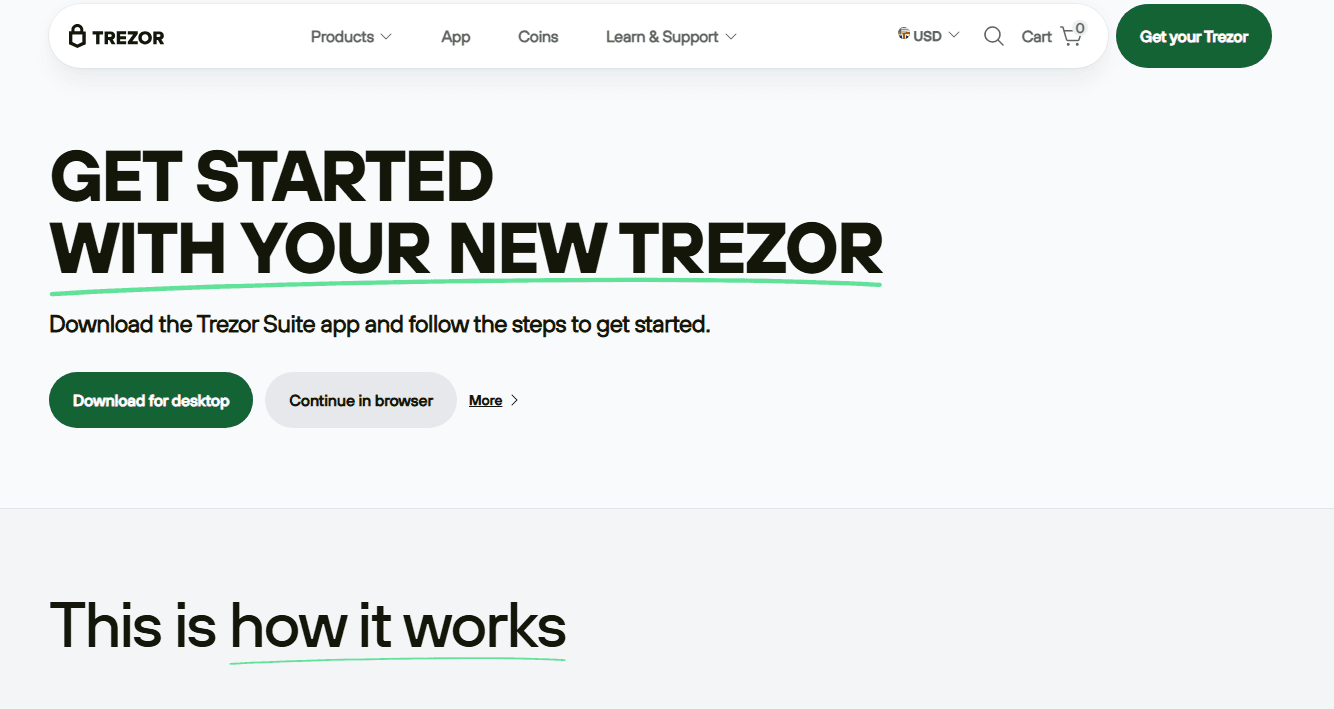
Trezor Login: How to Access Your Cryptocurrency Safely
Managing cryptocurrency securely begins with using a reliable hardware wallet, and Trezor is widely regarded as one of the safest options available. Unlike standard online accounts, logging into a Trezor wallet does not rely solely on usernames and passwords stored on a server. Instead, it uses a combination of physical device authentication, PINs, and optional passphrases, ensuring that your digital assets remain under your control at all times.
Understanding the Trezor login process is essential for anyone who wants to keep their crypto safe from hackers, malware, or accidental loss. This guide explains everything from setup and login procedures to troubleshooting common issues and maintaining long-term security.
How Trezor Login Works
Trezor login is different from traditional online authentication because it relies on a hardware-first approach. The wallet’s private keys never leave the device, making it extremely difficult for attackers to gain access. Accessing a Trezor wallet requires:
The physical Trezor device
The Trezor Suite application (desktop or web)
PIN and optional passphrase authentication
These components work together to ensure that even if your computer is compromised, no one can access your wallet without physically having your device.
Setting Up Your Trezor Wallet
Before performing your first login, your Trezor device needs to be initialized. This setup process ensures your wallet is secure from the start.
1. Connect Your Trezor
Plug your Trezor Model One or Model T into your computer. The device will power on automatically and guide you through the initial setup steps.
2. Create a PIN
The PIN acts as the primary login credential. It is entered using a randomized on-screen keypad shown on the device, not the computer. This prevents malware or keyloggers from capturing your PIN.
Tips for a strong PIN:
Avoid obvious patterns like “1234” or “0000”
Make it memorable but hard to guess
Never share it with anyone
3. Write Down Your Recovery Seed
During setup, Trezor generates a recovery seed, a list of 12, 18, or 24 words. This seed is your backup and can restore your wallet if the device is lost or damaged. Store it offline in a secure place. Never take a photo or store it digitally.
Logging into Trezor
Once your device is set up, logging in becomes a secure and straightforward process. Here is the step-by-step flow:
Step 1: Open Trezor Suite
Launch the official Trezor Suite application on your desktop or browser. This software allows you to manage accounts, check balances, send and receive funds, and adjust security settings.
Step 2: Connect the Device
Plug in your Trezor. The Suite will detect it automatically and prompt you to proceed with login.
Step 3: Enter Your PIN
The PIN pad on your computer screen is blank, while the numbers appear on the Trezor device. You need to click the corresponding positions on the computer screen. This randomized approach prevents hackers from deducing your PIN even if they are watching your screen.
Step 4: Enter an Optional Passphrase
If you have enabled a passphrase, you will need to enter it each time you log in. This additional security layer creates a “hidden wallet,” which is separate from your main wallet. Losing this passphrase means losing access to the hidden funds, so treat it carefully.
Step 5: Access Your Accounts
Once authenticated, you can view account balances, send or receive cryptocurrency, and manage security settings.
Best Practices for Secure Login
To maximize the safety of your Trezor login, consider these recommendations:
1. Always Trust the Device Screen
The Trezor hardware display is the ultimate source of truth. Never rely solely on your computer screen for transaction confirmations.
2. Use Official Trezor Suite
Avoid third-party wallet applications. The official Trezor Suite ensures encrypted communication and checks for firmware authenticity.
3. Keep Firmware Updated
Firmware updates improve security, fix bugs, and add new features. Trezor Suite will prompt you if an update is needed.
4. Protect Your Recovery Seed
Store your recovery seed offline. Good options include fireproof storage devices, metal backups, or a safe location. Never share it digitally.
5. Use a Strong Passphrase
A passphrase adds an extra layer of security, effectively creating a separate wallet. Make it long, unique, and memorable.
Common Login Issues and Solutions
Even with a hardware wallet, users may encounter occasional problems during login. Here are some typical issues:
1. Device Not Detected
If Trezor Suite does not recognize your wallet:
Try a different USB cable or port
Restart the application
Ensure your antivirus or firewall is not blocking USB connections
2. PIN Errors
Repeated wrong PIN attempts trigger increasing delays. If you cannot recall the PIN, the device must be reset and restored with your recovery seed.
3. Passphrase Mistakes
Typing a passphrase incorrectly will create an empty wallet. Double-check spacing, capitalization, and spelling.
4. Outdated Firmware
A mismatch between device firmware and Trezor Suite may prevent login. Follow instructions to safely update your device.
5. Browser Conflicts
If using the Suite in a browser, extensions may interfere. Disable unnecessary extensions or use a clean profile.
Why Trezor Login Is Highly Secure
Trezor login combines multiple layers of protection:
Hardware isolation: Private keys never leave the device
Encrypted communication: Data is secured between device and Suite
Randomized PIN pad: Prevents keylogging
Optional passphrase: Adds a second authentication factor
Physical confirmation: All critical actions are verified on the device screen
This approach makes it extremely difficult for unauthorized parties to access your funds.
Conclusion
Logging into a Trezor wallet is designed to provide maximum security while remaining user-friendly. By combining physical hardware authentication, a secure PIN, and optional passphrases, Trezor ensures that your cryptocurrency remains protected from online threats.
Following best practices such as verifying the device screen, keeping firmware updated, protecting your recovery seed, and using strong passphrases ensures your login process remains safe. With proper care, accessing your Trezor wallet becomes a seamless and secure way to manage your digital assets.
Trezor login isn’t just a step—it’s the cornerstone of your cryptocurrency security, giving you peace of mind while maintaining full control over your funds.